Our Story
Every Stitch Tells a Story
Amba Nepal buys directly from three small workshops in the Kathmandu Valley and Pokhara, and sells what they make to customers across Australia. Here is how that started, and how it still works.
How It Started
A single loom and a long friendship
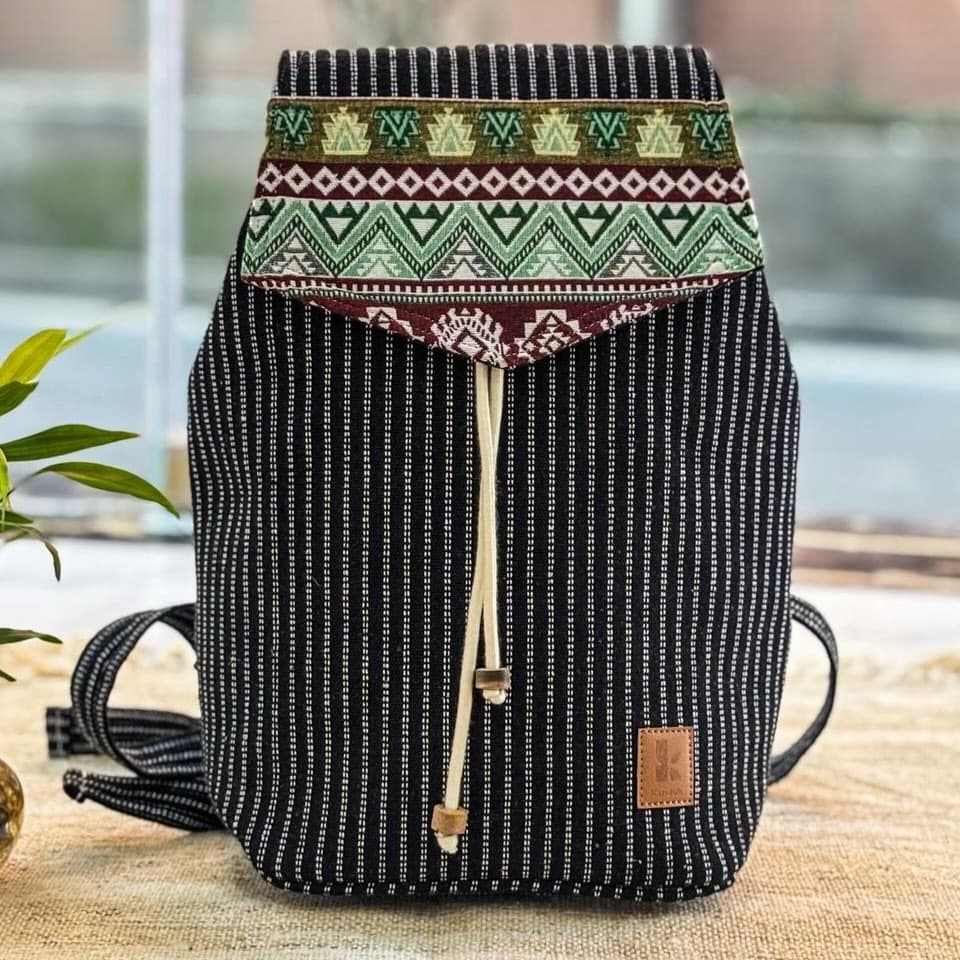
Amba Nepal started in 2018, after our founder spent a year teaching English in Bhaktapur and kept walking past the same weaving workshop on the way home — a room of treadle looms down a lane off the old bazaar, running most days of the week. The bags coming off those looms were sold at the local market for a fraction of what the same craftsmanship would fetch overseas — not because the work was worth less, but because nobody had built the bridge to sell it further afield.
The first order was eleven bags, carried home in a suitcase and sold to friends and colleagues in Sydney. There was no website, no shop — just a spreadsheet and a lot of emails. Amba Nepal is what grew from that, slowly and on purpose: still small enough that the founder knows every workshop by name, and still buying from the same weaving house that made those first eleven bags.
The Workshops
Three workshops, not a factory
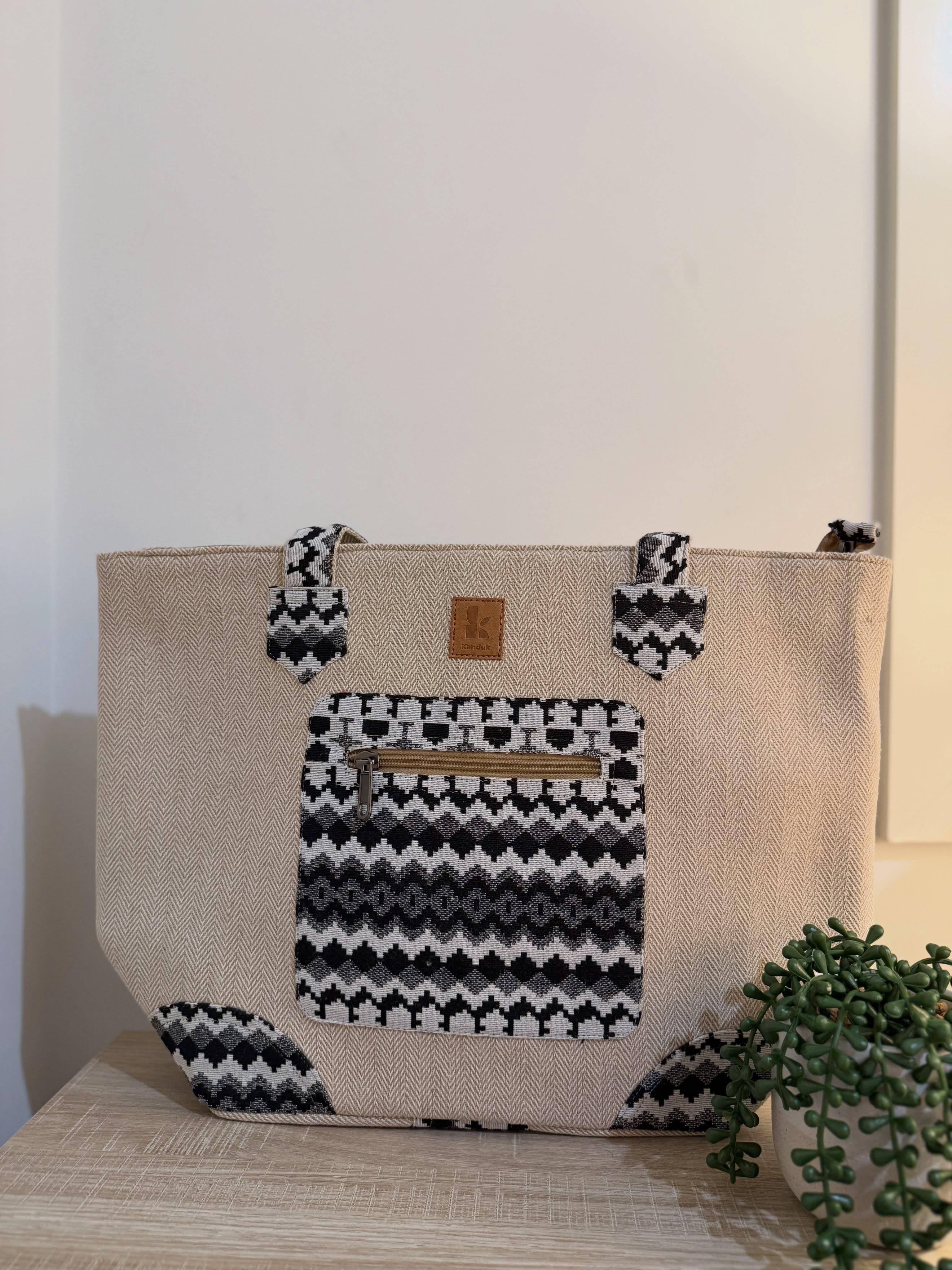
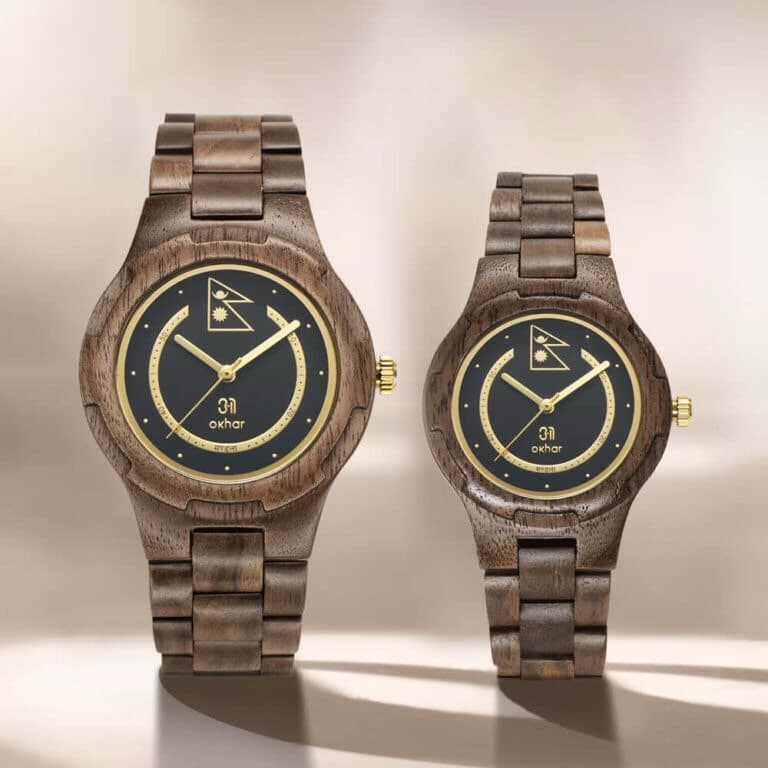
Everything we sell comes from one of three small workshops. The bags and totes are woven and stitched in Bhaktapur, in the Kathmandu Valley, by a team of six weavers and three stitchers working treadle looms rather than power looms. The watches are turned from walnut on a manual lathe by a woodworker in the same valley, a short drive from the weaving house. The bamboo drinkware comes from a turnery outside Pokhara, where a family business has worked bamboo into homewares for two generations.
None of these are large operations, and none of them make only for us — Amba Nepal is one buyer among several for each workshop, which is deliberate. A workshop that depends on a single overseas customer is a workshop one bad season away from trouble, and we would rather be a reliable part of their order book than their whole livelihood.
Why It Matters
We buy direct, and we pay before the cloth is woven
There is no import agent and no middle warehouse between the workshops and us. Every order is agreed directly with the workshop owner, priced in Nepali rupees, and paid in two instalments — half when the order is placed, the rest on collection — so a workshop is never carrying the cost of our order on their own books while they wait to be paid.
That arrangement costs us more than sourcing through a trading agent would, and it means our margins are tighter than a lot of the brands we compete with. We think that trade-off is the point: it is the difference between a supply chain and a relationship, and it is the reason the same six weavers have been making our bags since 2018.
The Crafts Behind Each Piece
The looms, the lathe and the workshops that turn raw hemp, walnut and bamboo into what we sell.